 Milesheet
Charging an EV on the road costs more than you think
Home charging is cheap. Rapid charging on a motorway is not, and the gap changes what a business trip actually costs.

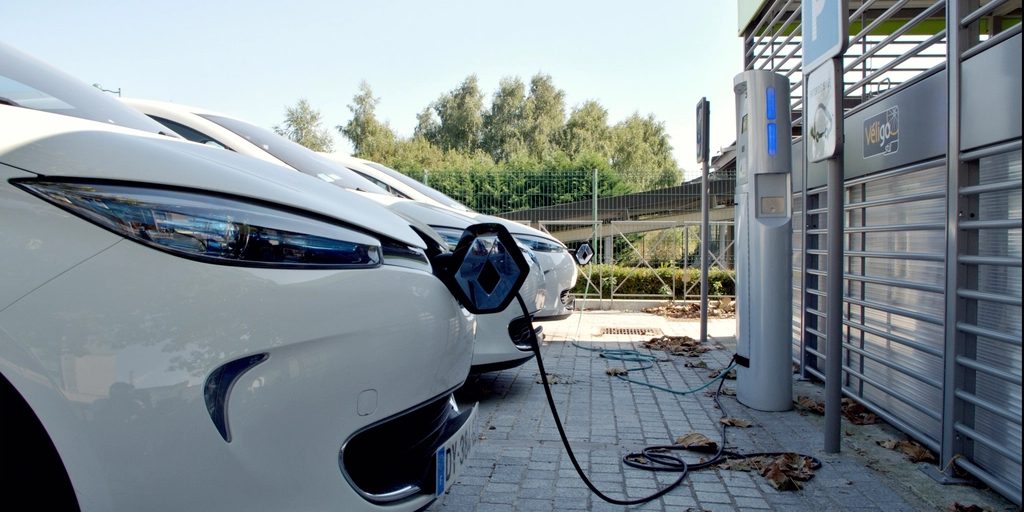
The headline case for an electric car is running cost, and on a home tariff it is genuinely compelling. The picture changes considerably once you are dependent on the public network.
The two worlds
Home charging on an off-peak tariff can be a few pence per kWh, which puts the cost per mile in low single figures. This is where the "a fraction of petrol" claim comes from, and for a home-charging commuter it is accurate.
Rapid and ultra-rapid public charging costs several times that. At motorway service areas in particular, the per-mile cost can approach — and occasionally exceed — a comparable diesel.
The same car can therefore cost 3p a mile or 20p a mile depending entirely on where it was charged.
The same car, five ways to charge it
An EV doing about 3.5 miles per kWh:
| Where you charge | Typical price per kWh | Cost per mile | 10,000 miles |
|---|---|---|---|
| Home, off-peak EV tariff | 7p | 2.0p | £200 |
| Home, standard rate | 25p | 7.1p | £714 |
| Workplace / destination charger | 30–45p | 8.6–12.9p | £857–£1,286 |
| Public rapid | 70–80p | 20–22.9p | £2,000–£2,286 |
| Motorway ultra-rapid | 80–90p | 22.9–25.7p | £2,286–£2,571 |
For comparison, a 45 mpg petrol car at 145p a litre costs about 14.6p a mile.
So an EV charged at home overnight is roughly a seventh of the petrol cost. The same car charged exclusively on motorway rapids costs more than the petrol car it replaced.
Why this matters for business driving
A driver whose work is local and who charges at home has running costs that make the 45p approved rate look extremely generous.
A driver whose work is long-distance and who charges on the network has a very different reality — and it is the one nobody models when they choose the car, because the comparison was made against home charging.
If you are choosing a vehicle for business use, the honest question is not "what does it cost to charge" but "where will I actually be charging, on the journeys I actually make".
The rate does not care
For your own electric car, approved mileage rates apply exactly as for petrol: 45p for the first 10,000 business miles, then 25p. There is no separate electric rate and no adjustment for how you charged.
For a company electric car, the advisory electricity rate applies instead — a much lower per-mile figure, revised quarterly alongside Advisory Fuel Rates.
Claiming 45p on a company EV is a common and expensive error.
The reimbursement gap
The awkward case: a company EV driver who charges at home, at their own expense, and is reimbursed at the advisory electricity rate. Depending on tariff and rate, that may over- or under-compensate them, and the treatment of home charging reimbursement has changed in recent years.
If that is your situation, check the current guidance rather than the arrangement you set up when you got the car.
Knowing your own number
The only way to know what your EV actually costs per mile is to record what you paid and how far you went — the same discipline as logging fill-ups, with charging sessions instead.
The reason it is worth doing: the gap between the assumed cost and the real one is much wider for electric cars than for petrol, because the price per unit varies by a factor of five depending on where you plugged in.
Sources
- HMRC — Advisory fuel rates
- HMRC — Travel, mileage and fuel rates and allowances
- HMRC — Business travel mileage for employees' own vehicles
- DVLA — Vehicle tax rate tables
General information, not tax advice. Advisory rates change quarterly.