 Milesheet
Per diems: the other half of a business trip
The mileage is the part everyone remembers. The meals, the overnight stay and the incidentals are worth more than people think, and they have their own rules.

Update, April 2026: the approved mileage rate for cars and vans rose from 45p to 55p a mile for the first 10,000 business miles. This post describes the position as it stood when it was written.
A day out to a client site generates two claims. Most people make one of them.
The two halves
Travel is the mileage. Business miles at the approved rate, plus tolls and parking on the journey.
Subsistence is what the trip cost you to be away: food, drink, and an overnight stay if there was one. It is a separate head of claim with separate rules, and it is where the money quietly leaks.
The reason it leaks is structural. The mileage is a calculation from a number you can look up. Subsistence is a pile of receipts, each individually too small to feel worth keeping, which collectively are not.
What actually qualifies
The test is that the cost was incurred because of a journey that is itself business travel. That does a lot of work.
A meal on a genuine business trip to a temporary workplace is claimable. Lunch at your normal place of work is not, however far you drove to get there, because the journey was not business travel in the first place.
So subsistence inherits the travel rules entirely. If the journey does not qualify, nothing that happened at the other end does either. This is why the commute and the 24 month rule matter twice over: they decide the mileage and they decide the meals.
Benchmark rates, and why they are convenient
HMRC publishes benchmark scale rates that an employer may pay for meals on qualifying business travel without receipts and without it being taxable, provided the qualifying conditions are met and there is a checking system.
The attraction is obvious. A fixed amount per qualifying absence, no receipts, no reconciliation. The condition people miss is that the employee must actually have incurred a cost. The rate is a simplification of reimbursement, not an allowance you collect for having been out.
For travel outside the UK there is a separate published set of country by country rates, which is worth knowing about before anyone tries to convert a British figure into euros.
Overnight stays and the incidental allowance
An overnight stay on business brings the accommodation itself, plus a small tax free incidental overnight expenses amount intended for the things a hotel stay generates: a phone call home, a newspaper, laundry.
It is deliberately modest, and it has a sharp edge. Exceed the limit and the whole amount becomes taxable, not just the excess. That is unusual in the tax system and it catches employers who round the figure up to something tidier.
What to keep
| Mileage | Subsistence | |
|---|---|---|
| Evidence | A contemporaneous log | Receipts, or a benchmark rate |
| Rate published | Yes, approved mileage rates | Yes, benchmark scale rates |
| Depends on the journey qualifying | Yes | Yes, entirely |
| Commonly under-claimed | Sometimes | Consistently |
The practical fix
The reason subsistence goes unclaimed is that the receipt and the journey get separated. The journey is in an app or a spreadsheet; the receipt is in a coat pocket, then a bin.
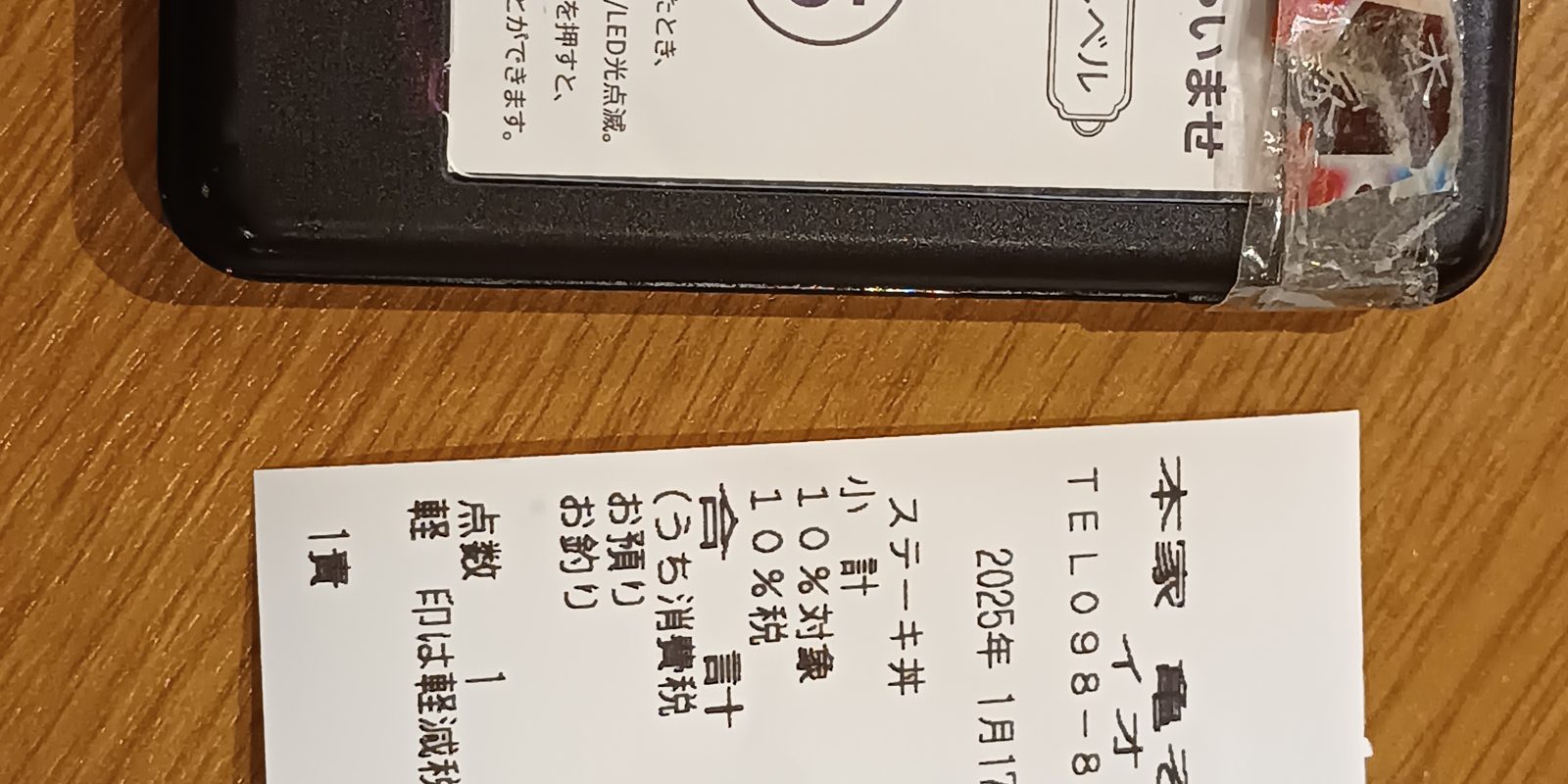
Attaching the cost to the trip it belongs to, at the time, is the whole solution. Milesheet lets you add parking, tolls and other charges to the journey they came from with a photograph of the receipt, which is not a clever feature so much as the only arrangement that survives contact with a real week.
A year of unclaimed £9 lunches on genuine business trips is not a rounding error. It is comfortably more than most people's entire mileage claim for a month.
Sources
- Expenses and benefits: travel and subsistence (HMRC)
- Expenses and benefits: travel, what to report and pay (HMRC)
- Expenses rates for employees travelling outside the UK (HMRC)
- Ordinary commuting and private travel (490: Chapter 3) (HMRC)
General information, not tax advice. Benchmark and overseas rates change: check the current figures with HMRC or your accountant.