 Milesheet
Driving into London for work: the charges, stacked
Congestion charge, ULEZ, parking and the arithmetic that often makes the train cheaper — and sometimes does not.

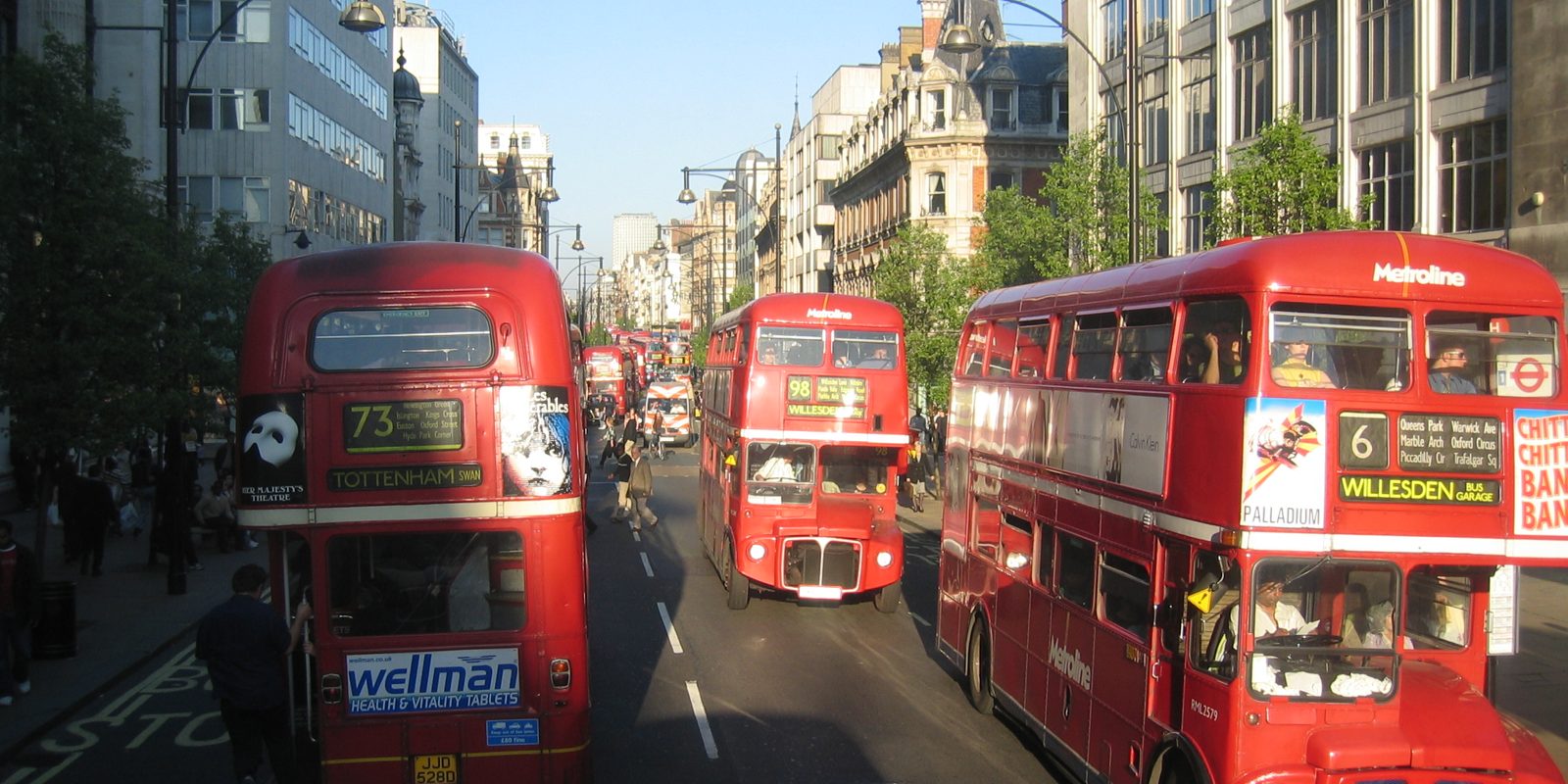
London is the most expensive place in Britain to arrive by car, and the charges are cumulative rather than alternative. Working out what a trip actually costs means adding several separate schemes together.
They are different schemes
Congestion charge. A daily charge for driving within the central zone during charging hours. Paying it says nothing about emissions.
ULEZ. A daily charge for driving a non-compliant vehicle within a much larger zone, operating almost continuously. Paying it says nothing about congestion.
They stack. A non-compliant vehicle in the central zone during charging hours pays both, on the same day, for the same trip.
Parking is separate again, and in central London routinely exceeds both charges combined.
How the charges stack
A single day driving into central London during charging hours:
| Vehicle | Congestion charge | ULEZ | Total before parking |
|---|---|---|---|
| Compliant car | Charged | £0 | Congestion only |
| Non-compliant car | Charged | Charged | Both |
| Compliant van | Charged | £0 | Congestion only |
| Non-compliant van | Charged | Charged | Both |
| Fully electric | Charged | £0 | Congestion only |
They are separate schemes with separate tests. Paying one says nothing about the other.
Compliance is about emissions standard, not age
Broadly, diesels need to meet Euro 6 and petrols Euro 4 to avoid ULEZ charges. Check the specific vehicle rather than assuming from the year — the answer is binary and takes seconds to look up.
For a business running older vans, this is the single largest ongoing cost of London work, and it is the reason fleet replacement decisions in the south-east have been driven by emissions standards rather than mileage for several years.
The arithmetic against the train
For a single person going to a single meeting, the train usually wins comfortably once you add charges and parking.
It stops being obvious when:
- You are carrying tools, stock or equipment
- There are several of you in the vehicle
- You have multiple stops across a day that public transport connects badly
- The journey is outside the times the railway is useful
That is genuinely a calculation rather than a rule, and it is one worth doing with real numbers rather than assumptions.
What is claimable
If the journey is business travel, the congestion charge, the ULEZ charge and the parking are all claimable costs in addition to the mileage. The mileage rate covers running the vehicle; it does not cover the right to bring it into central London.
If the journey is your commute to a permanent workplace, none of it is claimable, however painful.
Keeping it straight
Charges are paid online, often days later, sometimes as an auto-pay batch. On a statement they are indistinguishable from one another and from personal trips.
Attaching each charge to the journey it belongs to — with the date, destination and reason — is what makes the business ones identifiable later. Milesheet takes them as costs on the trip alongside a photo of the confirmation, and carries them into the monthly statement next to the mileage.
Sources
- Transport for London — Driving
- HMRC — Business travel mileage for employees' own vehicles
- HMRC — Expenses if you're self-employed: vehicles
- HMRC — Claim tax relief for your job expenses: vehicles you use for work
General information, not tax advice. TfL charges, zones and hours change: check the current position before travelling.