 Milesheet
Driving abroad on a British licence: what still works and what does not
The licence itself is usually fine. The paperwork around it, the permit, the insurance and the trailer, is where a work trip comes apart.

If you drive for work and the work occasionally happens in another country, the licence in your wallet is rarely the problem. The things that go with it are.
The licence usually travels
A British photocard licence is accepted for visits across the EU and EEA and in a long list of countries beyond it. For short work trips and holidays you generally drive on the licence you already have.
Two caveats do the damage.
The paper counterpart is long gone, and anyone still carrying one for foreign hire desks is carrying nothing. The information that used to be on it, endorsements and categories, now lives online, and the way to produce it abroad is a check code generated before you travel. Codes expire, so generating one a month early achieves nothing.
A photocard expires every ten years even though the entitlement behind it does not. An expired card is a real problem at a hire desk and at a roadside stop, and it is the kind of thing that lapses quietly because nothing reminds you.
International Driving Permits are not obsolete
They are less universally required than they once were, but they have not gone away. Whether you need one depends on the country and sometimes on how long you are staying, and there is more than one kind, issued under different international conventions, so the right one is country specific.
The practical point is that they are obtained before you leave, over the counter, and cannot be arranged from the other end. Turning up without one where one is required means you are driving unlicensed, whatever your British licence says.
Insurance is the expensive gap
Your UK motor insurance provides the legal minimum cover required in many countries, and that is a much thinner thing than the cover you have at home.
Comprehensive cover does not automatically extend abroad. Plenty of policies drop to third party only the moment the car leaves the country, unless you tell the insurer and usually pay for the extension. A driver who assumes their comprehensive policy travels with them finds out at the worst possible moment.
Business use is a second layer. If your policy covers social, domestic and pleasure plus commuting, driving to a client meeting abroad is outside it twice over.
The vehicle has its own paperwork
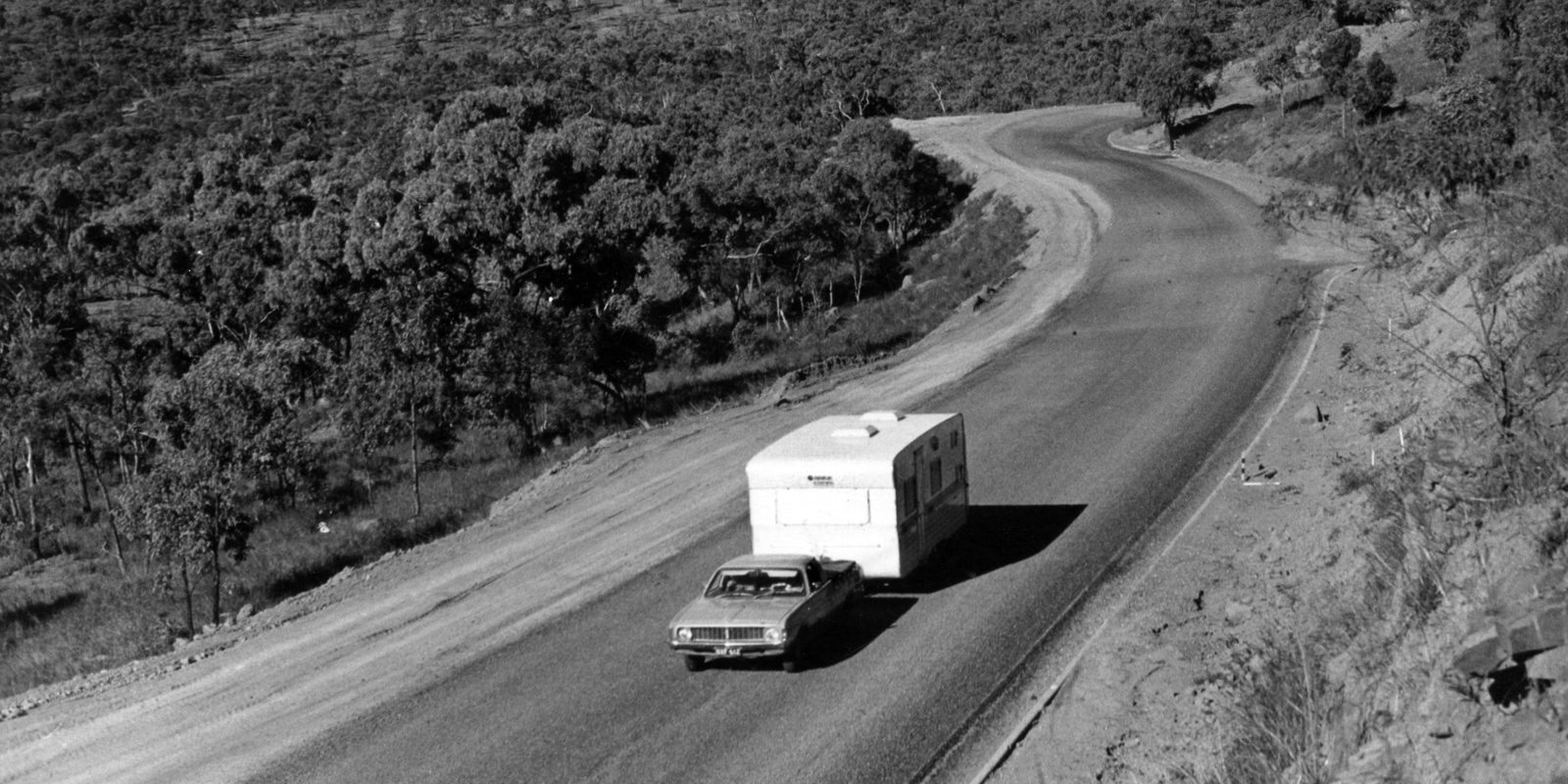
If you are taking your own car rather than hiring, the vehicle needs its own documents: proof of ownership, the correct national identifier, and headlamp adjustment for driving on the other side. Towing anything adds a further layer, and some countries require trailers over a certain weight to be registered separately.
None of this is difficult. All of it takes time you will not have on the morning you leave.
What this has to do with a mileage claim
Business travel abroad is still business travel, and the miles still count.
The mechanics are the same as at home: date, destination, purpose, distance, recorded at the time. What changes is that the incidental costs get larger and more numerous. Tolls are heavier across much of Europe than in Britain, fuel is bought in another currency, and parking is more likely to be a genuine expense than an afterthought.
Those are exactly the costs that go unclaimed, because they arrive as a handful of foreign receipts in a coat pocket. Attaching each one to the journey it belongs to, at the time, is the difference between claiming them and not.
Before a work trip
- Check the photocard expiry date, not just that you have it
- Generate a licence check code close to travel, not weeks ahead
- Confirm whether the country needs an International Driving Permit, and which kind
- Ring the insurer about cover abroad and about business use
- If towing, check the rules for the trailer separately
Sources
- Driving abroad (GOV.UK)
- International Driving Permits (GOV.UK)
- Travel, mileage and fuel rates and allowances (HMRC)
General information, not legal or tax advice. Requirements differ by country and change: check GOV.UK and your insurer before you travel.