 Milesheet
The Dartford Crossing: how the charge works and what it costs a business
There is no barrier, the charge is not a toll booth, and missing the deadline turns £2.50 into a penalty.

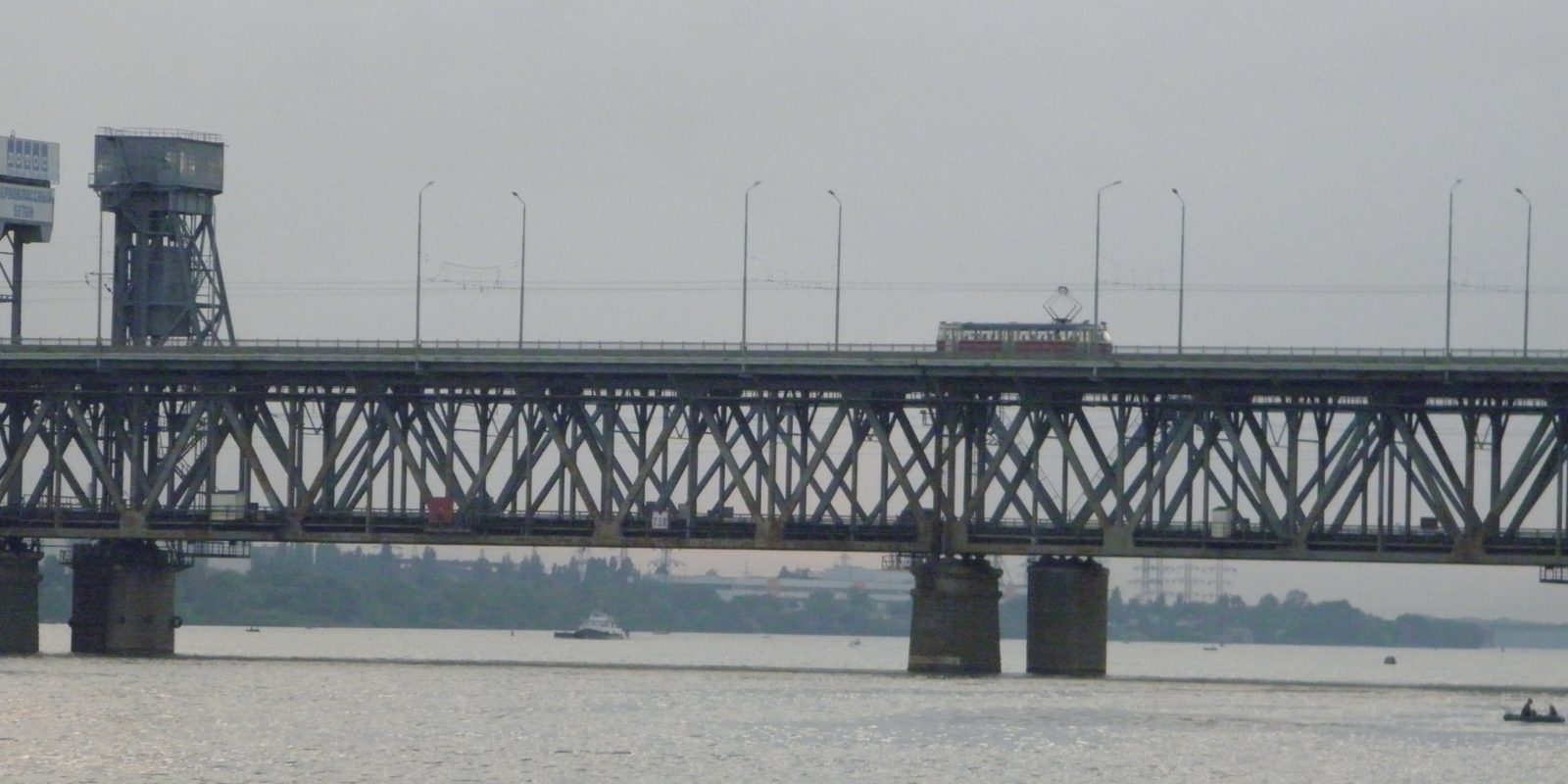
The Dartford Crossing is the busiest estuarial crossing in the country and the one most likely to generate an unexpected penalty for a business, because the way you pay for it is not obvious from the road.
There is no barrier
The barriers were removed and replaced with free-flow charging. You drive through; cameras read the plate; you pay afterwards.
That is a considerable improvement on queuing to hand over coins, and it introduces a failure mode that did not previously exist: it is entirely possible to use the crossing without realising you owe anything.
The deadline is the trap
The charge must be paid by midnight the day after you cross. Miss it and a penalty charge notice follows, which is an order of magnitude more than the crossing itself.
For someone who crosses occasionally this is a genuine risk — particularly a driver who used the crossing years ago when there were barriers and has no reason to think anything is owed.
What it costs to get it wrong
| Situation | Outcome |
|---|---|
| Paid by midnight the day after | Standard charge |
| Account holder | Lower rate, paid automatically |
| Not paid in time | Penalty charge notice, many times the crossing |
| Repeated unpaid crossings | Multiple penalties, escalating |
The fix, for anyone crossing regularly
Open an account. Payments come off automatically, the rate is lower than the one-off charge, and the failure mode disappears entirely.
If you run a fleet or several drivers, an account covering multiple vehicles removes the problem of a driver not knowing whether the crossing was paid for.
Charging hours
The charge applies during defined hours and not overnight. That makes an early or late crossing genuinely free, which is worth knowing if your schedule is flexible — though the reason it is free overnight is the reason the crossing is bearable overnight.
Claiming it
A Dartford charge incurred on a business journey is a claimable expense, separate from the mileage rate, exactly like a toll or a parking charge. The mileage rate covers running the vehicle, not the right to cross the river.
The same charge on a personal trip, or on a commute to a permanent workplace, is not claimable.
Because the charge is paid after the event and often in a batch, it arrives on a statement as a payment with a reference and no context. Attaching it to the journey it belongs to at the time — as a cost on that trip, with the confirmation — is what keeps it identifiable when you need to separate the business ones.
And the longer-term picture
The crossing carries far more traffic than it was designed for, which is why a second crossing further east has been proposed and worked on for years. Nothing about that changes what you owe today.
Sources
- National Highways
- National Highways — Our roads
- HMRC — Expenses if you're self-employed: vehicles
- HMRC — Business travel mileage for employees' own vehicles
General information, not tax advice. Charges and hours are set by the operator and change: check the current position before you travel.